Acne, Acne Pigmentation & Acne Scars
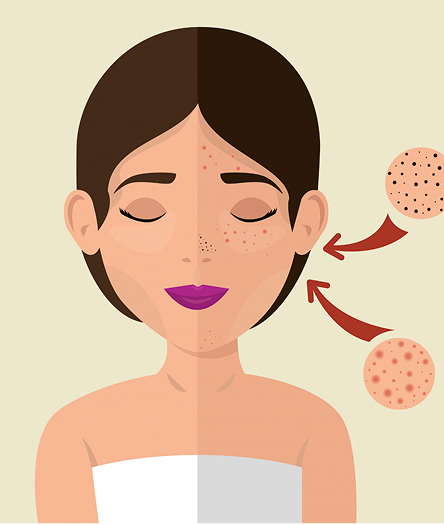
Acne is an inflammatory skin condition. It can present in different grades, ranging from blackheads and whiteheads to inflamed and deeper painful lesions.
Book An Appointment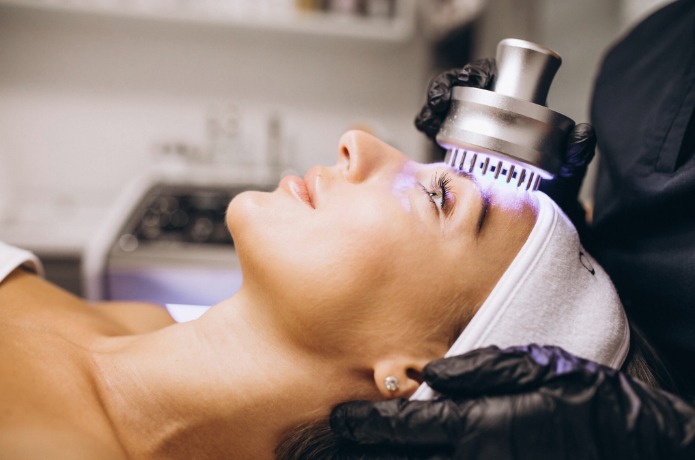
Acne develops when several things happen together: the oil glands produce excess oil (often driven by hormones), the follicle becomes blocked with oil and dead skin cells, and skin bacteria and inflammation build up in the blocked follicle.
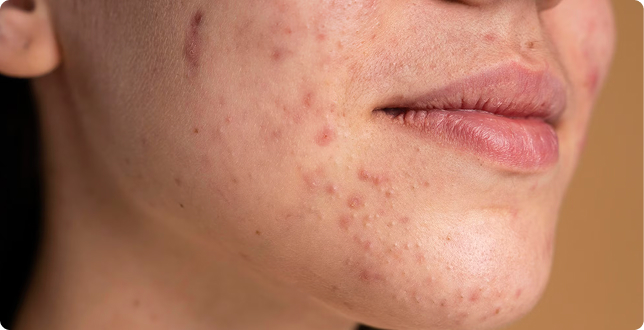
Family history, hormonal changes (puberty, menstrual cycles, PCOS), some medicines, certain cosmetic and hair products, friction on the skin, and stress can all play a role, and diet may influence acne in some people. When not adequately controlled, acne can lead to persistent pigmentation and scarring. Early diagnosis and appropriate treatment are important to control active acne and minimise the risk of long-term scarring.
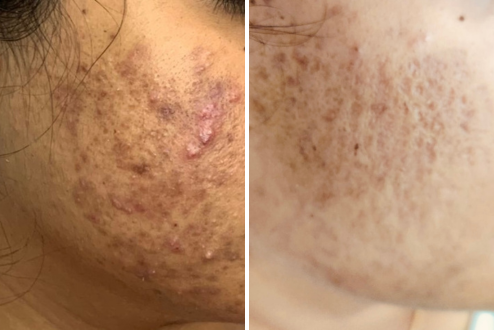
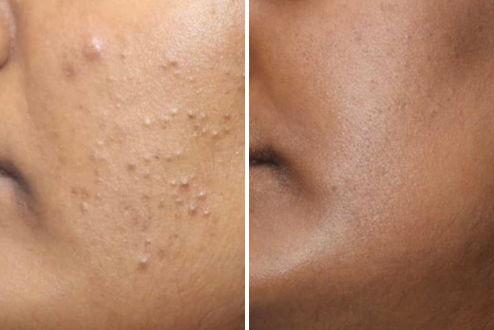
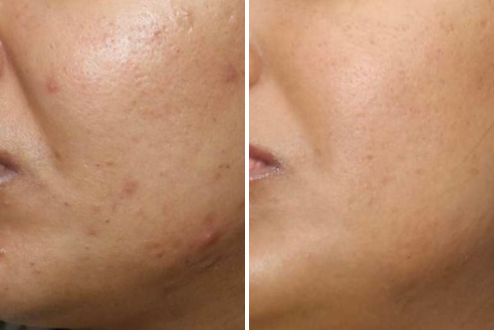
Active Acne
The primary aim of treatment is to control active acne, reduce inflammation, and prevent new breakouts and subsequent scarring. Management begins with appropriate prescription-based topical treatments, with oral medications advised when indicated. Blood investigations may be recommended when clinically necessary to identify underlying contributing factors. Depending on the severity and individual assessment, medical management may be complemented by medical-grade chemical peels, comedone extraction, low-level light treatment and selected lasers.
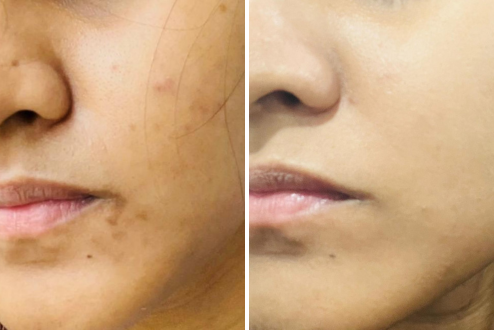
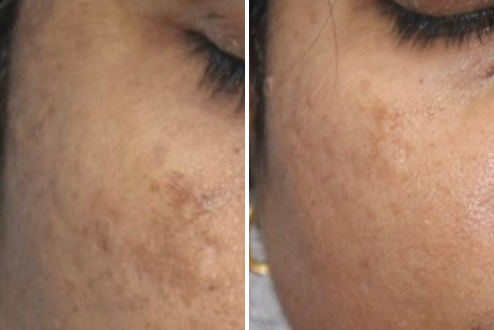
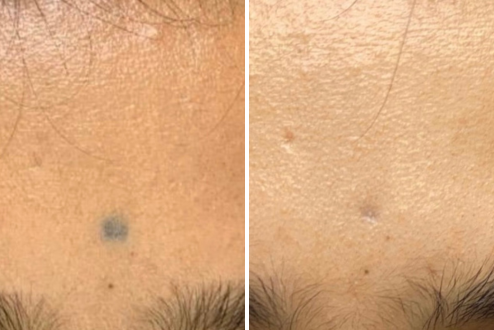
Acne Pigmentation
Acne pigmentation refers to the dark spots that develop following the healing of acne lesions. Treatment focuses on reducing existing pigmentation and preventing further darkening through prescription-based topical treatments and consistent sun protection. Procedural options include medical-grade chemical peels and pigment-targeting laser treatments, selected according to the type and extent of pigmentation and the individual's skin type. Appropriate post-treatment skincare and diligent sun protection are essential to support recovery and minimise the risk of recurrence.
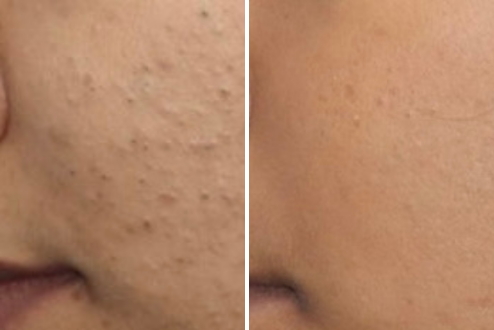
Acne Scars
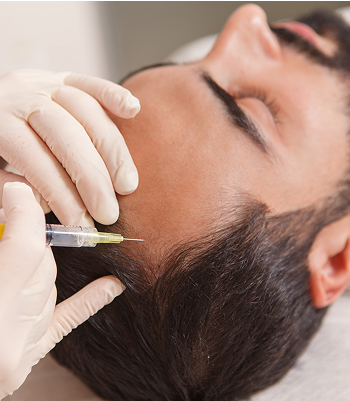
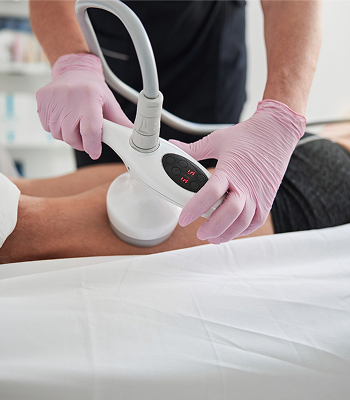
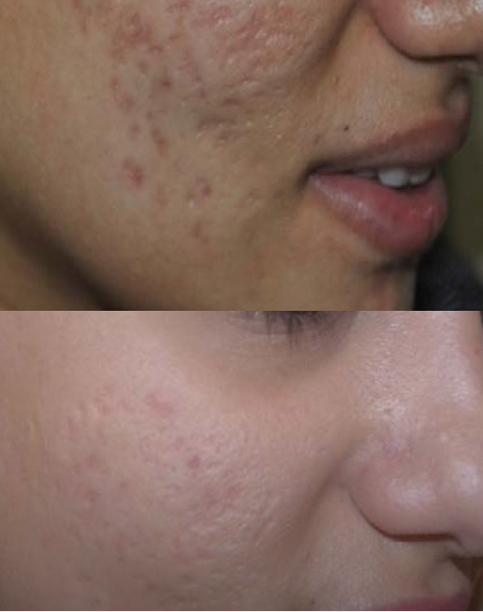
Acne scars develop when inflammation damages the deeper layers of the skin, affecting its texture and structure. They may appear as depressed areas or raised scars. Treatment is selected according to the type, depth, and severity of scarring and generally begins once active acne is adequately controlled. Options may include fractional resurfacing treatments, radiofrequency-based procedures, microneedling, and selected injectable treatments. A combination of procedures may be recommended when different scar types are present.
Key Takeaway
When not adequately controlled, acne can lead to persistent pigmentation and scarring.
Book a Consultation at Armoraa
Speak to an Armoraa dermatologist about your concern.
Book An Appointment