Scars
A scar is the body’s way of repairing itself after injury, including cuts, surgery, burns, acne and infections. Scar tissue differs from normal skin in texture and often in colour.
Book An Appointment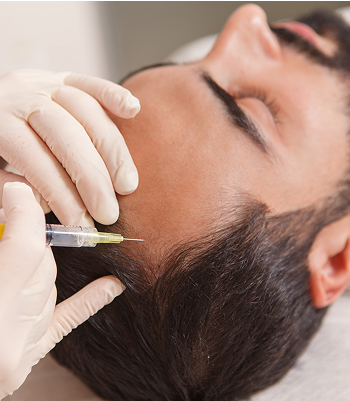
Scars are formed when collagen is laid down during healing, and when this process is unbalanced, different types of scars develop:
Types of scars
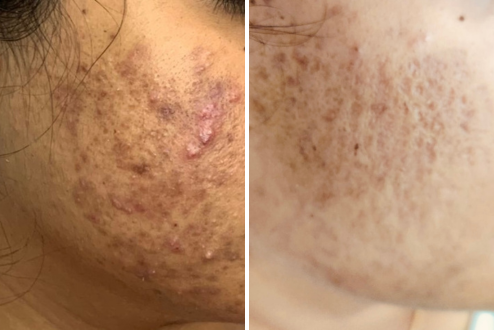
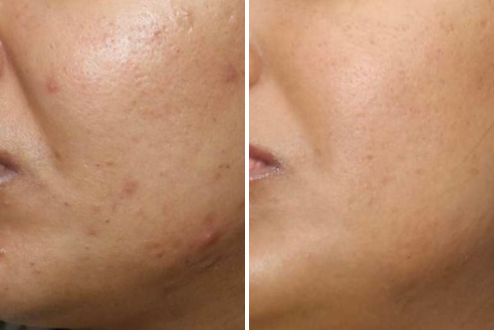
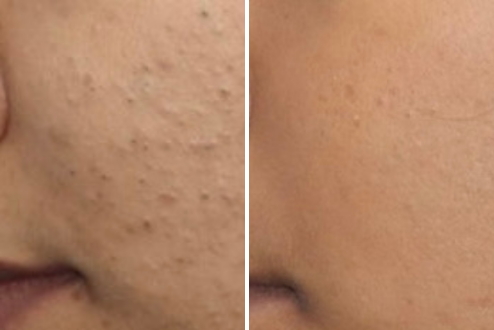
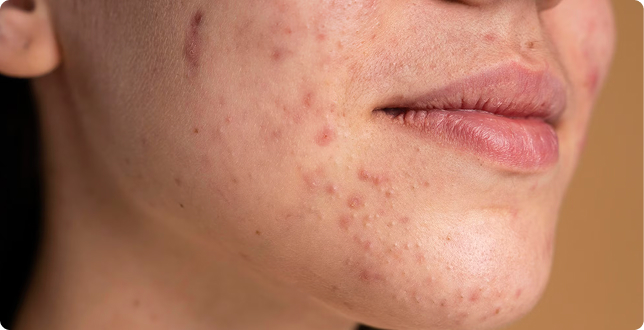
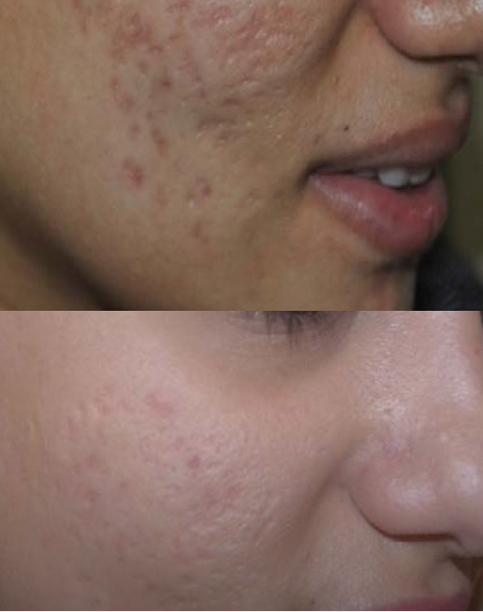
Atrophic scars: depressed or pitted scars, as seen after acne or chickenpox.
Hypertrophic scars: raised, red or firm scars that stay within the boundary of the original wound.
Keloids: raised, firm scars that grow beyond the boundary of the original wound. They can also be itchy or tender. Genetic predisposition may contribute to their development, and keloids can sometimes develop spontaneously, even without an obvious preceding injury.
How scars are managed
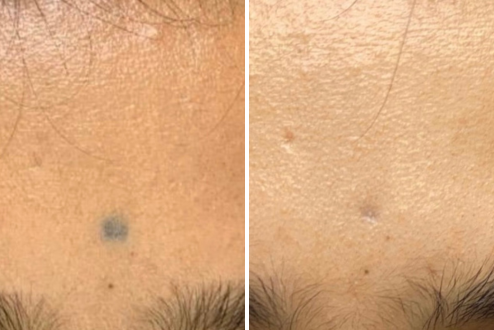
Depending on the scar, procedures may include fractional resurfacing, radiofrequency-based treatments, microneedling, combinations of these, and for selected scars, minor scar revision surgery. These aim to stimulate scar remodelling and improve texture, depth and overall appearance.
For raised scars and keloids, intralesional corticosteroid injections can reduce thickness, itching and tenderness. Keloids may require a combination of treatments and regular follow-up because of their tendency to recur.
Scars cannot be erased completely. Treatment aims at improvement, usually takes several sessions spaced weeks apart.
Key Takeaway
For raised scars and keloids, intralesional corticosteroid injections can reduce thickness, itching and tenderness.
Book a Consultation at Armoraa
Speak to an Armoraa dermatologist about your concern.
Book An Appointment