
Tattoo Removal
A tattoo is created by depositing ink into the dermis, the deeper layer of the skin. Unlike the epidermis, which continually renews itself, the dermis retains these ink particles, which are taken up by immune cells.
Book An Appointment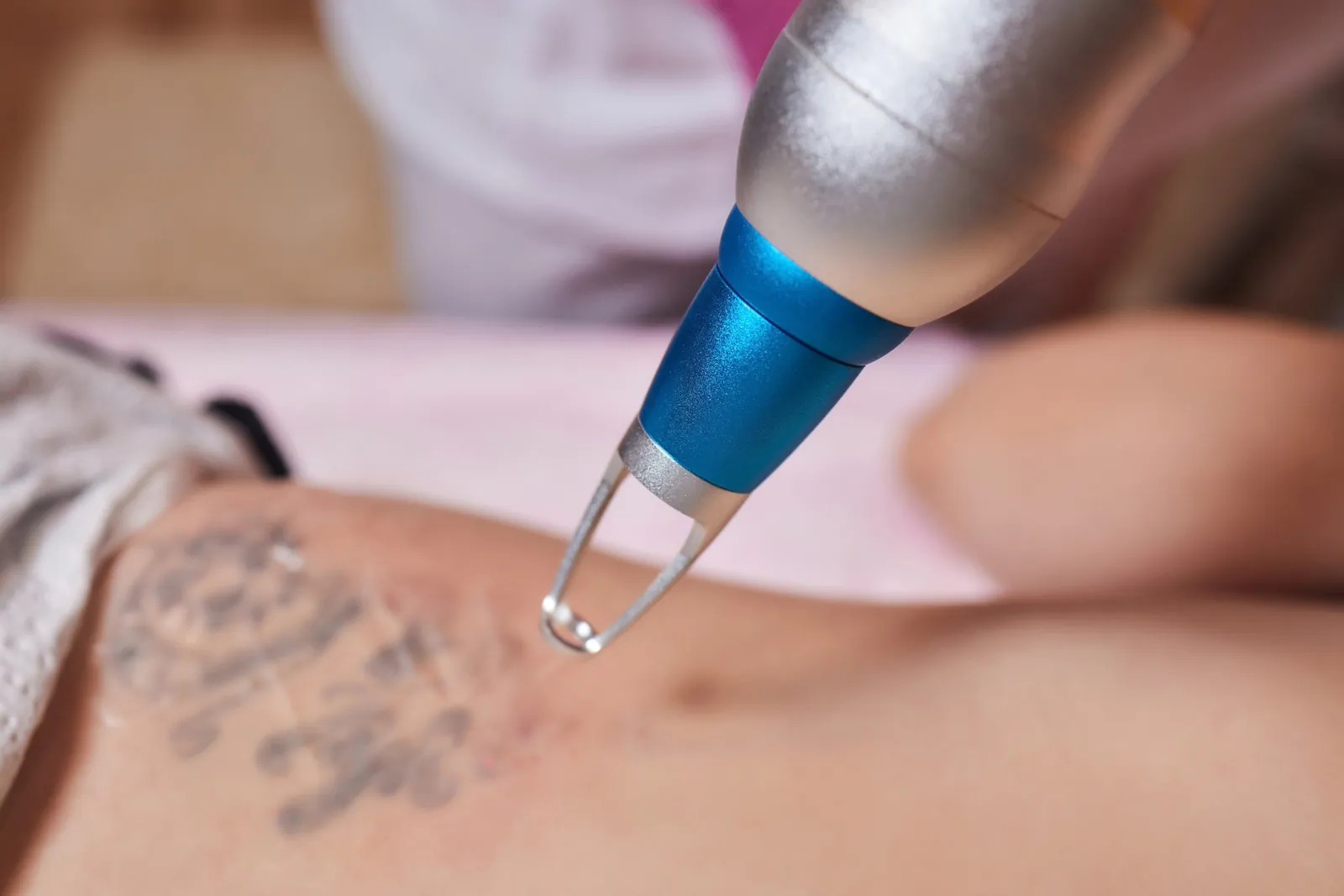
This is why tattoos are long-lasting. Over time, a tattoo may fade, blur, or change colour, but the ink generally remains within the skin. People may seek tattoo removal due to a change of preference, fading, or dissatisfaction with the original tattoo.
The response to laser treatment depends on several factors, including ink colour, depth and density, the age and location of the tattoo, whether it was professionally applied, and the individual's skin tone.
Treatment & Expectations
Pigment-targeting laser treatments break tattoo ink into smaller particles, which the body's immune system gradually clears. Treatment typically requires multiple sessions spaced several weeks apart to allow the skin to heal and the body to eliminate the fragmented ink. Professional, densely pigmented, or multicoloured tattoos may require additional sessions.
Temporary redness, swelling, blistering, or crusting may occur following treatment. Appropriate post-treatment care and sun protection are essential to support healing and minimise the risk of complications.
Key Takeaway
Pigment-targeting laser treatments break tattoo ink into smaller particles, which the body's immune system gradually clears.
Book a Consultation at Armoraa
Speak to an Armoraa dermatologist about your concern.
Book An Appointment


