
Pigmentation can stem from several causes, including melasma, post-inflammatory marks, and photodamage. At Armoraa, treatment starts with identifying the underlying cause and assessing your skin type, then selecting from chemical peels, pigment-targeted lasers, or a combined approach for controlled, gradual improvement.
What Is Pigmentation & Uneven Skin Tone?
Pigmentation can stem from several causes, including melasma, post-inflammatory marks, and photodamage. At Armoraa, treatment starts with identifying the underlying cause and assessing your skin type, then selecting from chemical peels, pigment-targeted lasers, or a combined approach for controlled, gradual improvement.
The focus is on controlled improvement of pigmentation, with careful consideration of skin type and pigmentary response, since some approaches carry different risks for different skin tones.
Your prescribed skincare routine and daily sun protection are an integral part of pigmentation treatment, and are especially important while undergoing procedures for pigmentation.
Who It’s For
Anyone with melasma, post-inflammatory pigmentation, sun-related discolouration, or uneven skin tone who wants a plan built around their specific skin type.
How It Works
Chemical peels
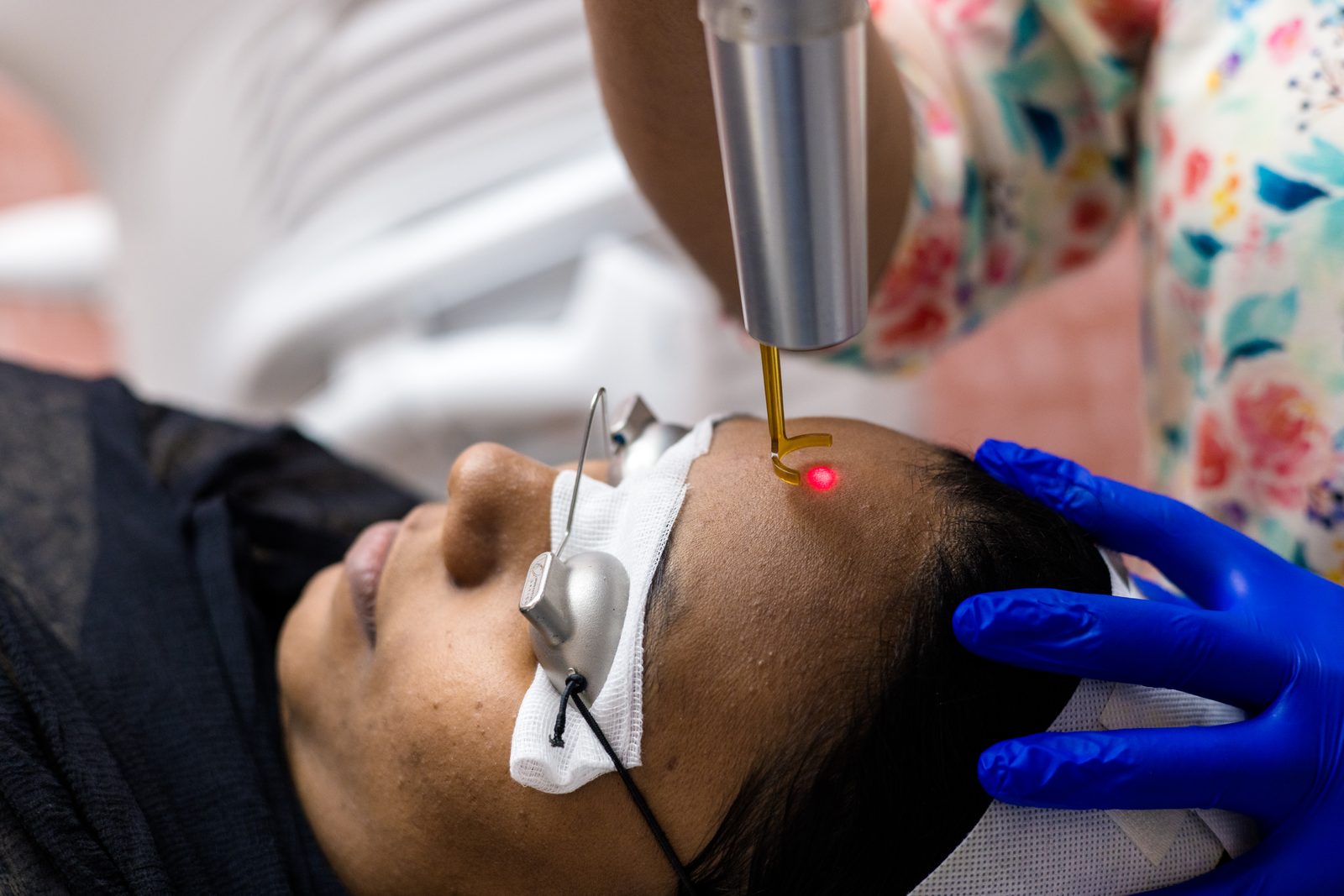
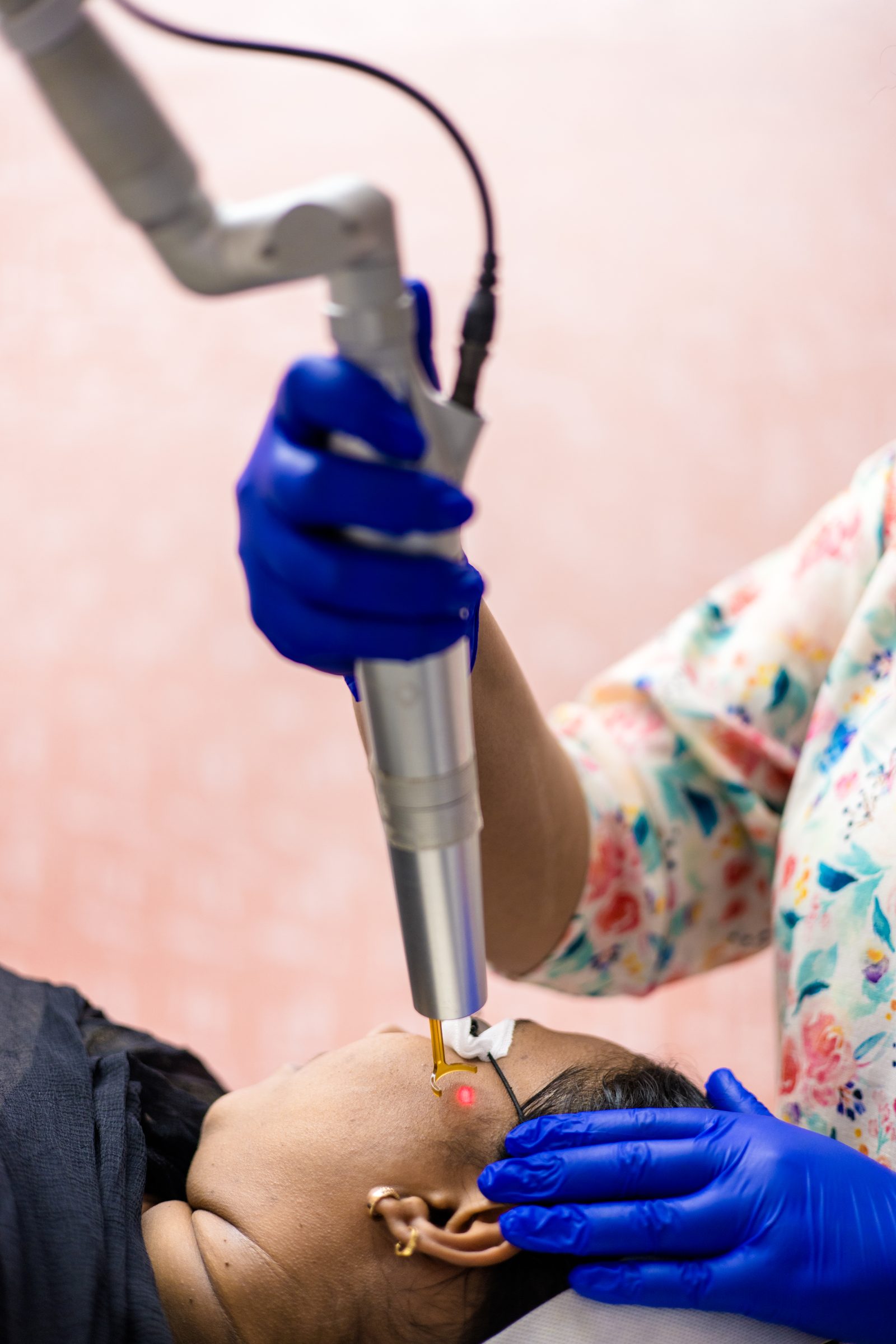
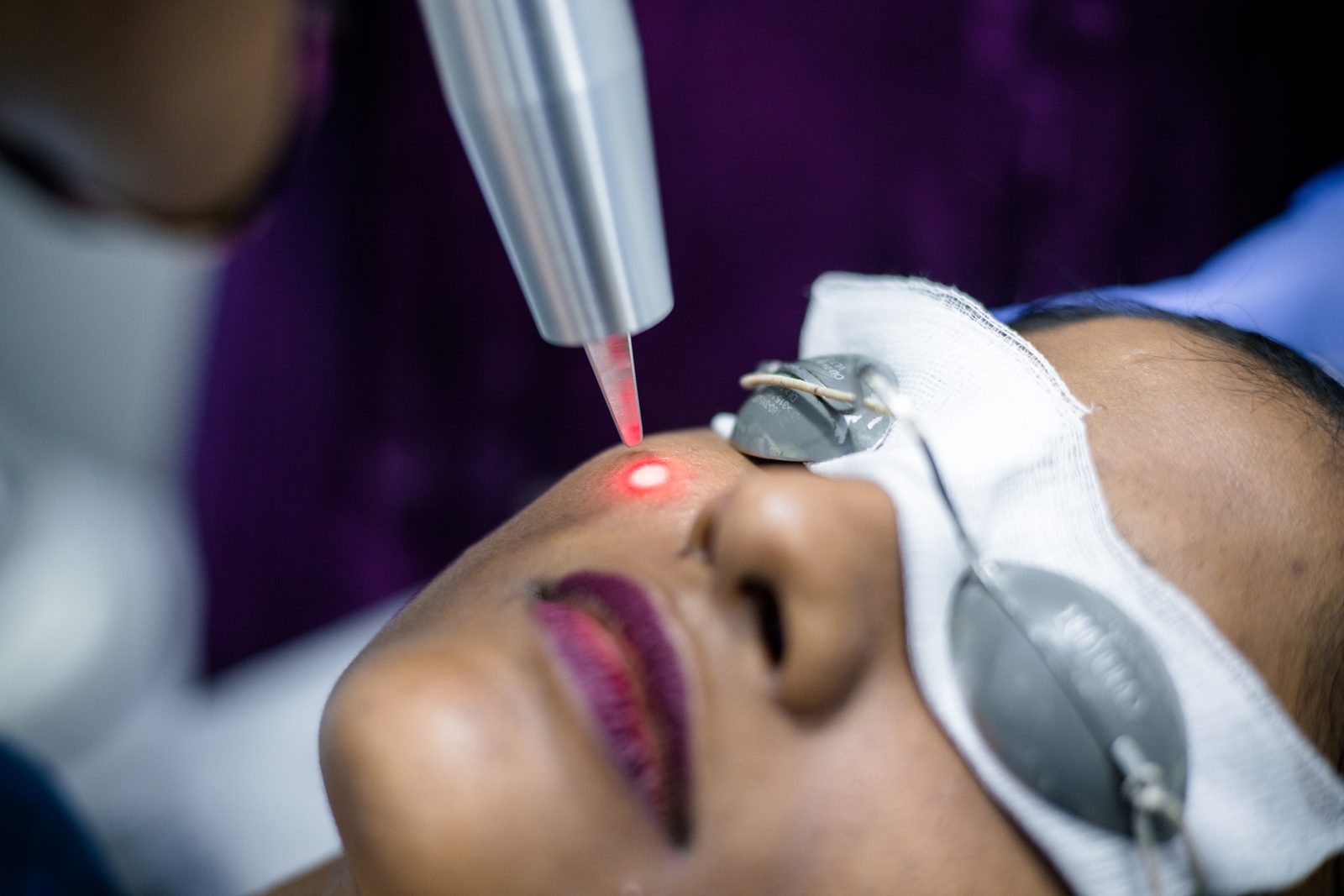
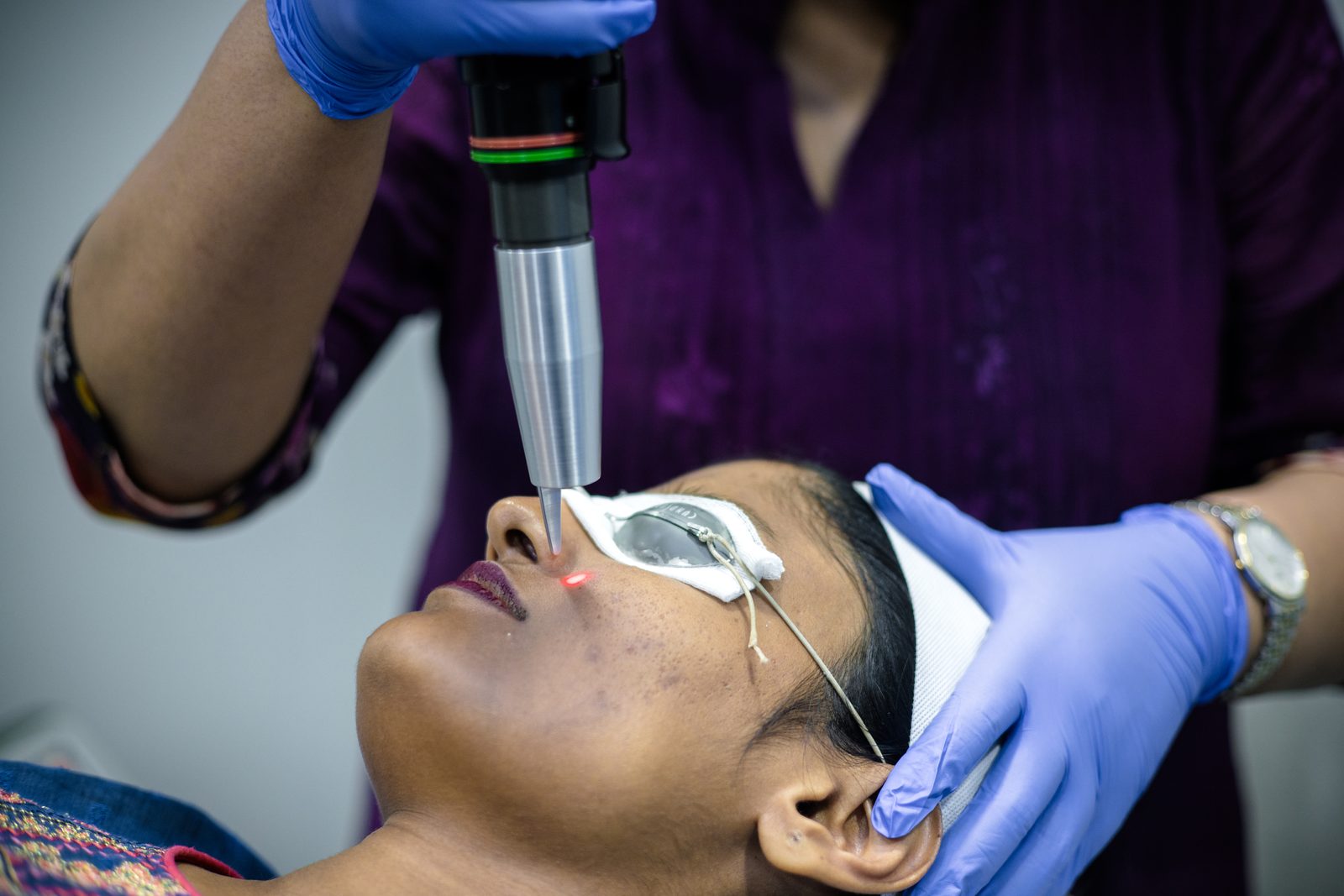
Pigment-targeted laser treatments
Combination approaches, when more than one concern is present
Compassionate Care, Every Step of the Way
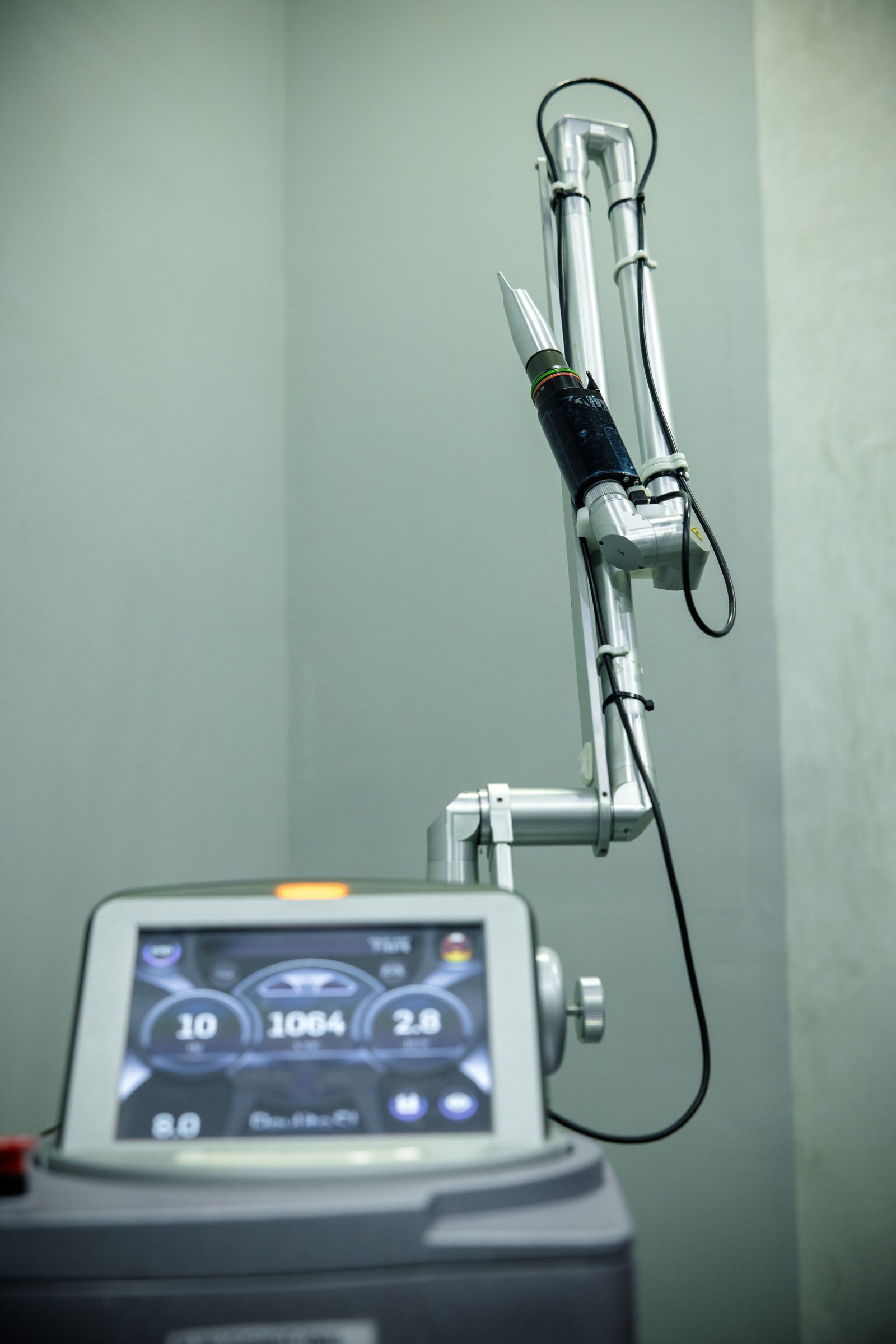
Technology used for pigmentation & uneven skin tone treatment at Armoraa
Key Takeaway
“Pigment-targeted laser treatments such as PicoWay and Q-switched laser technology may be used, selected according to your skin type and pigmentation pattern.”
Identify the Cause, Then Treat It
Book a consultation to identify the cause of your pigmentation and the right treatment path.
Inside the Treatment Room
A look at the equipment and setup used for pigmentation & uneven skin tone treatments at Armoraa.
[Before/After image slider placeholder — no pigmentation & uneven skin tone-specific before/after photos currently exist in the media library. Section intentionally left as a placeholder rather than populated with stock or unrelated images. Add real before/after photos to enable this section.]
