
Written by Dr. Pavithra
Table of Contents
- What Is a Keloid?
- What Causes Keloids?
- Who Is at Risk of Developing Keloids?
- Can Keloids Be Prevented?
- What Are the Treatment Options for Keloids?
- Don’t Let a Keloid Define Your Skin
- Frequently Asked Questions
Why does a scar sometimes keep growing even after the wound has healed?
The answer could be a keloid. While most scars gradually settle after an injury, a keloid behaves differently—it grows beyond the boundaries of the original wound. Although keloids are benign, they can become a cosmetic concern and may require professional treatment.
Understanding why keloids occur, who is more likely to develop them and what treatment options are available can help you manage them better.
What Is a Keloid?
A keloid is an excessive growth of fibrous scar tissue caused by an abnormal healing response following skin injury or inflammation.
Unlike a normal scar that generally remains within the area of injury, a keloid can extend beyond the original borders of the wound.
What Causes Keloids?
Keloids can develop after different forms of skin injury or inflammation, including:
- Cuts, surgical incisions and abrasions
- Burns
- Insect bites
- Vaccinations
- Skin infections such as folliculitis, Chickenpox scars
- Repeated trauma or inflammation
- Increased tension on the skin
In some people, keloids may also develop spontaneously without an obvious preceding injury.
Who Is at Risk of Developing Keloids?
Some people are naturally more prone to keloid formation.
Risk factors include:
- Family history of keloids
- Darker skin pigmentation
- Wounds healing by secondary intention
- Previous burns or surgical scars
- Acne scars
- Vaccination or chickenpox scars
- African, American, Asian or Hispanic ethnicity
- Chronic inflammation
- Repeated trauma to the same area, including earring sites
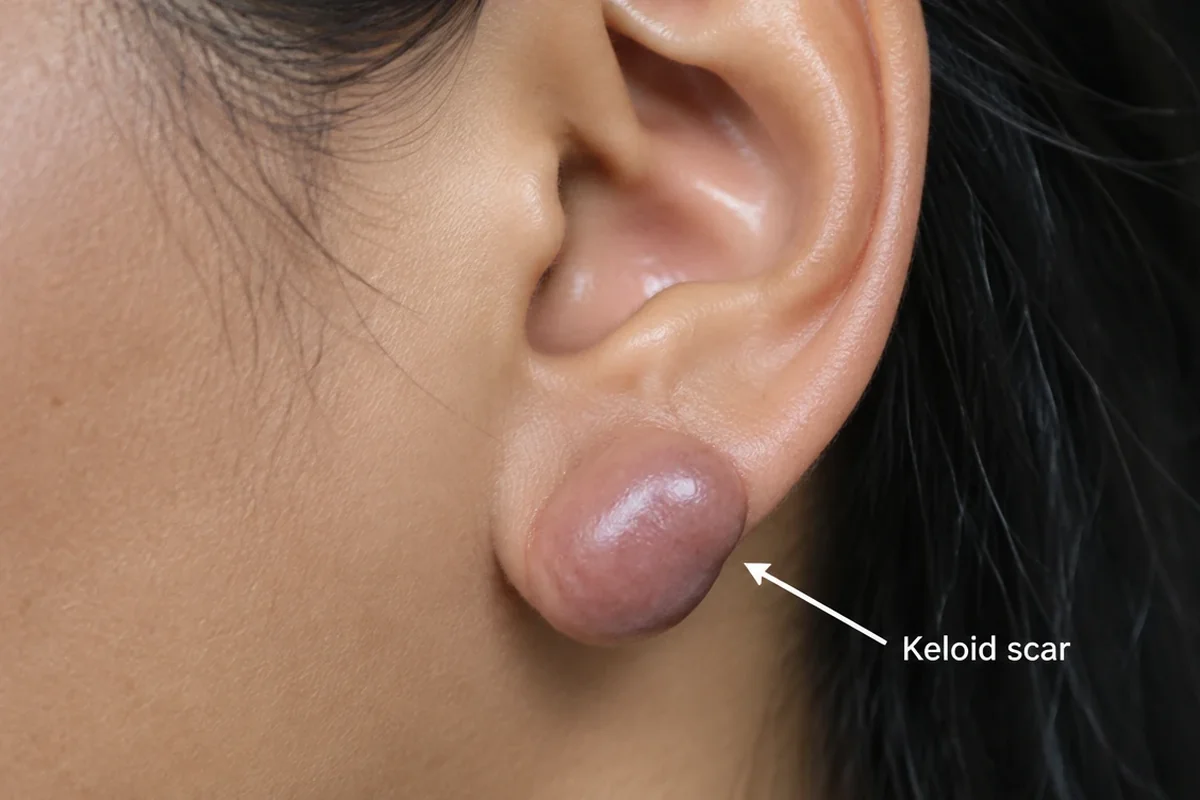
If you have developed keloids in the past, it is important to discuss this history with your doctor before undergoing elective procedures that may cause skin injury.
Can Keloids Be Prevented?
Prevention is particularly important for people who are prone to developing keloids.
Measures that may help include closing wounds with minimal tension, with surgical incisions planned along Langer’s lines where appropriate.
People with a strong tendency to develop keloids may also need to reconsider unnecessary cosmetic procedures and piercings.
In suitable cases, pressure garments may be used for 4–6 months following an injury as part of scar management.
What Are the Treatment Options for Keloids?
There isn’t just one approach to treating every keloid. Depending on the individual case, treatment options may include:
1. Intralesional Steroids
Steroid medication can be injected directly into the keloid as part of treatment.
2. Cryotherapy
Cryotherapy involves controlled freezing of the keloid tissue and is another treatment modality used for keloids.
3. Laser & Light-Based Treatments
Different laser and light treatments may be considered, including:
- Pulsed dye laser
- CO₂ laser
- Er:YAG laser
- Intense pulsed light
4. Silicone Therapy
Silicone-based products can form part of scar management. Options include:
- Silicone gels
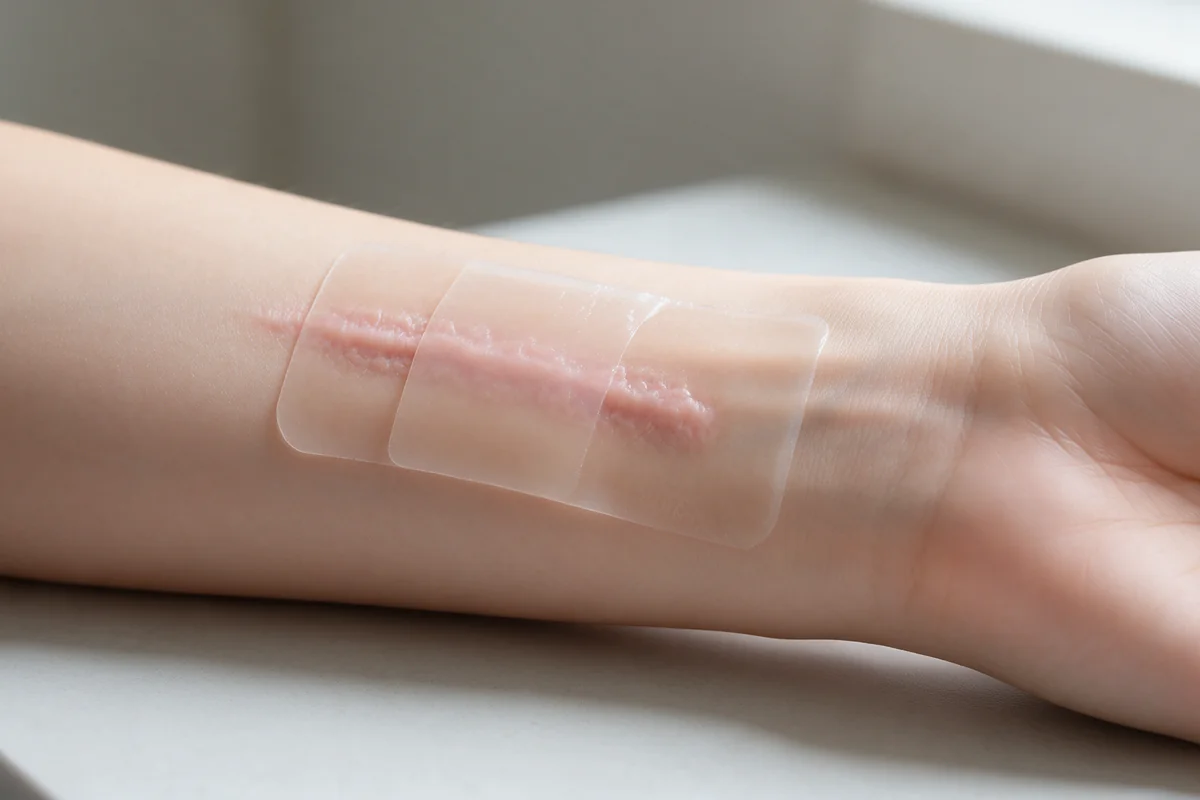
- Silicone gel sheets
- Silastic sheets
5. Other Medications
Other treatment modalities mentioned for keloids include 5-fluorouracil, bleomycin, imiquimod and verapamil.
Don’t Let a Keloid Define Your Skin
- Keloids are benign, but they are different from ordinary scars because they can continue growing beyond the boundaries of the original injury.
- If you notice a scar becoming raised or extending beyond the original wound, consider consulting a dermatologist.
- Early professional assessment can help you understand the available treatment and scar-management options.
- Concerned about a raised or growing scar? Speak with your dermatologist to understand which treatment approach may be suitable for you.
Frequently Asked Questions
A keloid is an excessive growth of fibrous scar tissue caused by an abnormal healing response following skin injury or inflammation. Unlike a normal scar that generally remains within the area of injury, a keloid can extend beyond the original borders of the wound.
Keloids can develop after different forms of skin injury or inflammation, including cuts, surgical incisions and abrasions, burns, insect bites, vaccinations, skin infections such as folliculitis, repeated trauma or inflammation, and increased tension on the skin. In some people, keloids may also develop spontaneously without an obvious preceding injury.
Risk factors include a family history of keloids, darker skin pigmentation, wounds healing by secondary intention, previous burns or surgical scars, acne scars, vaccination or chickenpox scars, chronic inflammation, and repeated trauma to the same area, including earring sites.
Measures that may help include closing wounds with minimal tension, with surgical incisions planned along Langer’s lines where appropriate. People with a strong tendency to develop keloids may also need to reconsider unnecessary cosmetic procedures and piercings.
There isn’t just one approach to treating every keloid. Depending on the individual case, treatment options may include intralesional steroids, cryotherapy, laser and light-based treatments, silicone therapy, and other medications such as 5-fluorouracil, bleomycin, imiquimod and verapamil.
Keloids are benign, but they are different from ordinary scars because they can continue growing beyond the boundaries of the original injury. If you notice a scar becoming raised or extending beyond the original wound, consider consulting a dermatologist.