Written by Dr. Dhanalakshmi
Table of Contents
- Why Does Skin Become More Prone to Breakouts After the Monsoon?
- A SIMPLE POST-MONSOON SKIN-CARE ROUTINE
- Don’t Ignore Your Scalp
- Why Does Hair Fall Seem Worse After the Monsoon?
- PRACTICAL TIPS TO REDUCE HAIR AND SCALP PROBLEMS
- What About Hair Oil?
- When Should You See a Dermatologist?
- CONCLUSION
- Frequently Asked Questions
Post monsoon the skin can develop then following:
- Whiteheads and blackheads
- Acne
- Small, itchy bumps called folliculitis
- Increased facial oiliness
- Irritation, particularly in sensitive skin
Humidity itself does not directly cause acne, but it can worsen acne-prone skin.
Chennai’s tropical climate can be challenging for both skin and hair. Even after the monsoon season begins to recede, humidity may remain high, creating an environment where excess sweat, oil, and moisture can affect the skin barrier and scalp. For some people, this can mean more frequent breakouts, an itchy or oily scalp, dandruff, and increased hair shedding.
The good news is that most post-monsoon skin and scalp concerns can be managed with a consistent, simple routine. Understanding what is happening to your skin and scalp is the first step towards choosing the right care.
Why Does Skin Become More Prone to Breakouts After the Monsoon?
High humidity can increase sweating and make the skin feel greasy. This can occlude the pores and cause increased acne breakouts.
A SIMPLE POST-MONSOON SKIN-CARE ROUTINE
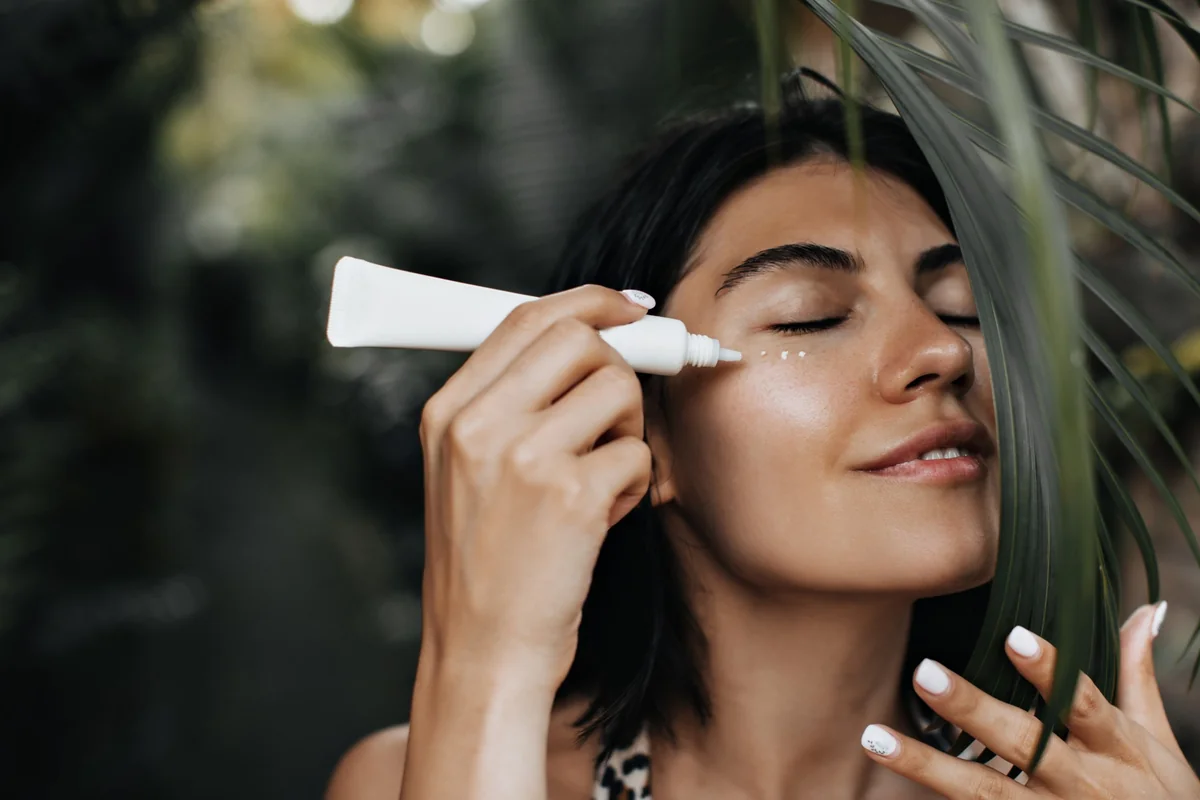
1. Cleanse Gently
Use a mild, non-comedogenic cleanser according to your skin type. Cleansing thrice a day is generally sufficient for most people.
If you have been sweating heavily, washing the face after prolonged outdoor activity may also be helpful. Avoid physical scrubs, abrasive cleansing tools, and frequent washing. Another common mistake is trying to remove this excess oil by repeatedly washing or scrubbing the face. Over-cleansing can irritate the skin barrier and may leave the skin dry, tight, and more sensitive.
2. Choose a Lightweight Moisturiser
Moisturiser is important even if your skin feels oily.
Look for lightweight, non-comedogenic formulations such as gels or light lotions. Ingredients such as ceramides and hyaluronic acid may help support the skin barrier without leaving a heavy and greasy layer.
3. Don’t Skip Sunscreen
Cloudy weather does not eliminate ultraviolet exposure. Use a broad-spectrum sunscreen during the day, preferably one that feels comfortable in Chennai’s humid climate.
A lightweight, non-comedogenic sunscreen can be particularly useful for people with oily or acne-prone skin.
4. Be Careful With Self Acne Treatments
Ingredients such as salicylic acid, benzoyl peroxide, or topical retinoids may be recommended for acne depending on its type and severity. However, using several active ingredients at once can cause irritation.
If acne is persistent, painful, leaving dark marks, or causing scars, it is better to consult a dermatologist rather than repeatedly changing over-the-counter products.
Don’t Ignore Your Scalp
Post-monsoon scalp problems are not limited to dandruff. Increased sweating, humidity, and prolonged scalp dampness can contribute to an oily or uncomfortable scalp.
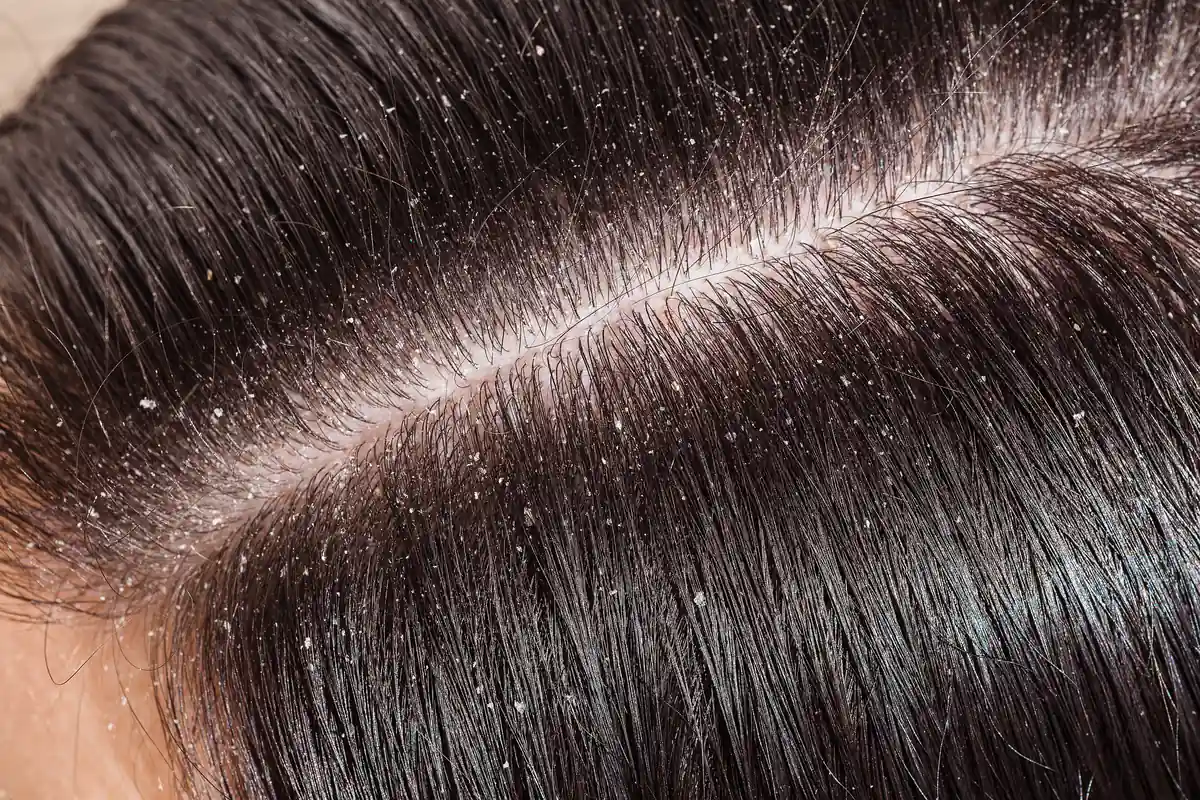
Some people may notice:
- Increased dandruff or flaking
- Itching
- Greasiness
- Scalp odour
- Small bumps or folliculitis
- Increased hair shedding
Keeping the scalp clean is therefore an important part of post-monsoon hair care.
Why Does Hair Fall Seem Worse After the Monsoon?
Hair shedding can have several causes, and seasonal changes is one possible factor.
Monsoon-related changes can affect hair through scalp inflammation, dandruff, reduced hair-care habits, or prolonged dampness.
PRACTICAL TIPS TO REDUCE HAIR AND SCALP PROBLEMS
Keep the Scalp Clean
Wash your hair according to how oily or sweaty your scalp becomes. There is no universal rule that everyone must wash their hair on a particular number of days.
If you have dandruff, your dermatologist may recommend a medicated shampoo.
Avoid Keeping the Scalp Wet for Long Periods
Try to dry your scalp after washing rather than tying up soaking-wet hair. Avoid going to bed with wet hair.
A wet scalp does not automatically cause hair loss, but prolonged moisture, friction, and an already inflamed scalp can contribute to hairfall.
Be Gentle With Wet Hair
Hair is more vulnerable to breakage when wet. Avoid aggressive towel rubbing, vigorous brushing, or tightly tying freshly washed hair.
Instead, gently squeeze out excess water and allow the hair to dry with minimal friction.
What About Hair Oil?
Applying oil to the hair shaft may reduce friction and improve the appearance and feel of dry hair. However, repeatedly applying heavy oils to an oily or dandruff-prone may worsen the condition.
If oiling seems to worsen itching, flaking, or scalp bumps, discuss your scalp-care routine with a dermatologist.
When Should You See a Dermatologist?
Occasional acne or temporary hair shedding may settle with appropriate routine care. However, professional evaluation is advisable if you notice:
- Persistent or worsening acne
- Painful acne
- Acne scars or persistent pigmentation
- Severe scalp itching or scaling
- Recurrent scalp bumps
- Sudden or excessive hair shedding
- Noticeable thinning or widening of the hair part
- Bald patches
- Hair loss that continues for several months
A dermatologist can distinguish between common seasonal concerns and conditions that require specific treatment.
CONCLUSION
Post-monsoon weather in Chennai can leave skin oilier and the scalp more prone to sweat, flaking, and irritation.
Gentle cleansing, appropriate moisturisation, regular sunscreen use, sensible scalp hygiene, a balanced diet, and avoiding unnecessary experimentation with multiple products can go a long way.
Most importantly, persistent acne, scalp inflammation, or significant hair fall should not simply be dismissed as a seasonal problem. Early dermatological assessment can help identify the underlying cause and prevent a manageable concern from becoming a long-term one.
Healthy skin and hair are less about following every new trend and more about understanding what your skin and scalp actually need.
Frequently Asked Questions
Humidity itself does not directly cause acne, but it can worsen acne-prone skin. High humidity can increase sweating and make the skin feel greasy. This can occlude the pores and cause increased acne breakouts.
Moisturiser is important even if your skin feels oily. Look for lightweight, non-comedogenic formulations such as gels or light lotions.
Cloudy weather does not eliminate ultraviolet exposure. Use a broad-spectrum sunscreen during the day, preferably one that feels comfortable in Chennai’s humid climate.
Hair shedding can have several causes. Monsoon-related changes can affect hair through scalp inflammation, dandruff, reduced hair-care habits, or prolonged dampness.
A wet scalp does not automatically cause hair loss, but prolonged moisture, friction, and an already inflamed scalp can contribute to hairfall. Try to dry your scalp after washing rather than tying up soaking-wet hair. Avoid going to bed with wet hair.
Professional evaluation is advisable if you notice persistent or worsening acne, painful acne, acne scars or persistent pigmentation, severe scalp itching or scaling, recurrent scalp bumps, sudden or excessive hair shedding, noticeable thinning or widening of the hair part, bald patches, or hair loss that continues for several months.